Pickleball Paddle Shapes Explained
Disclosure: We may earn a commission when you purchase through links on this page, at no additional cost to you. Affiliate disclosure
Standard
Balanced reach and sweet spot
Elongated
More reach and leverage
Widebody
More forgiveness width-wise
Hybrid
Between standard and elongated
Standard and hybrid
These are the safest all-around starting points. You get a workable mix of sweet-spot size and reach without committing to an extreme silhouette.
Elongated and widebody
Elongated helps with reach and drive leverage. Widebody prioritizes a wider hitting area. Try to demo if you can—shape preference is personal.
Paddles to consider
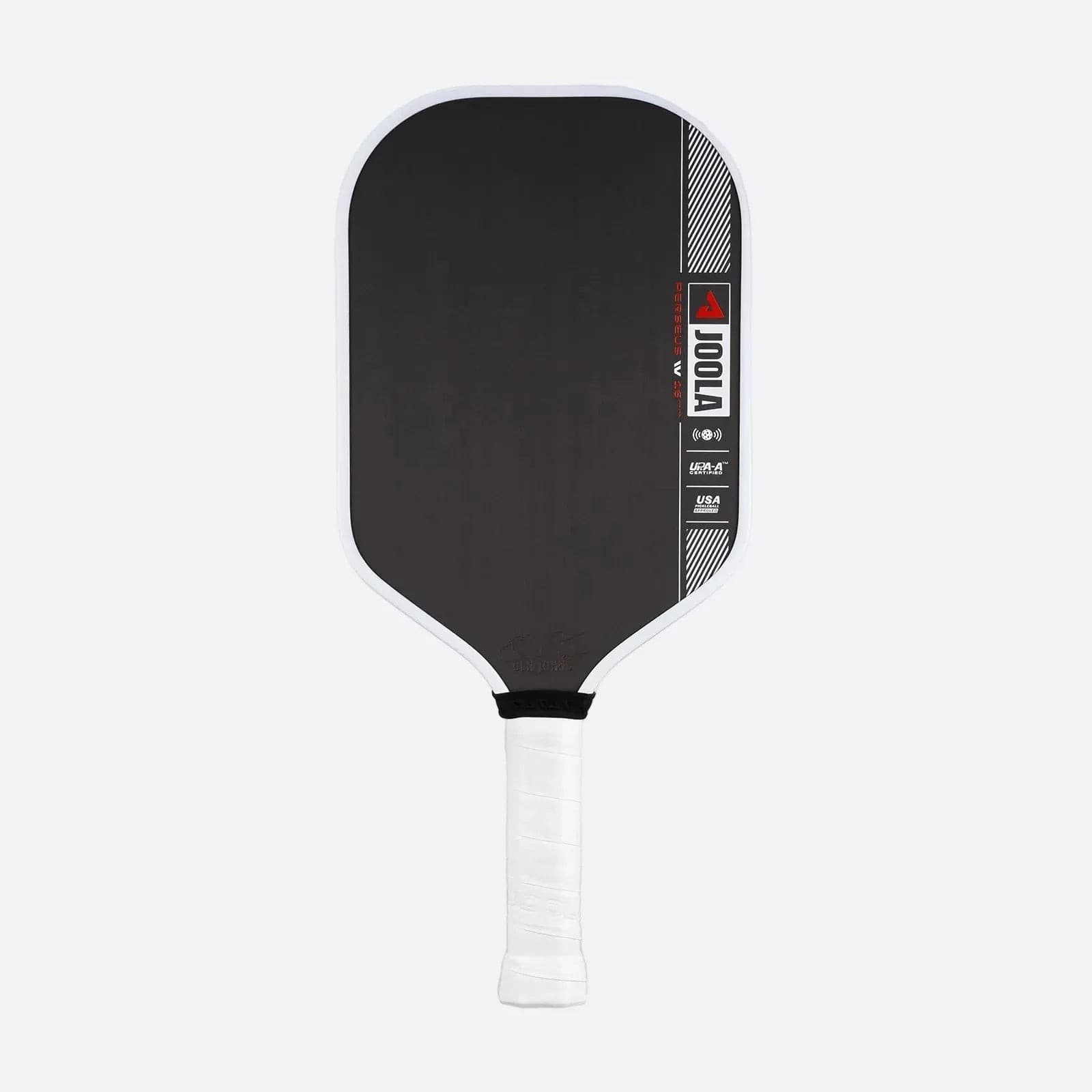
JOOLA
Perseus Pro IV 16mm
JOOLA’s elongated Perseus Pro IV 16mm for intermediate-and-up players who want power and spin in a premium carbon paddle.
- Intermediate players ready for a premium elongated paddle
- Players who want accessible power with carbon surface texture
- All-court players who drive from the baseline and finish at the kitchen
Approx. $230–$250
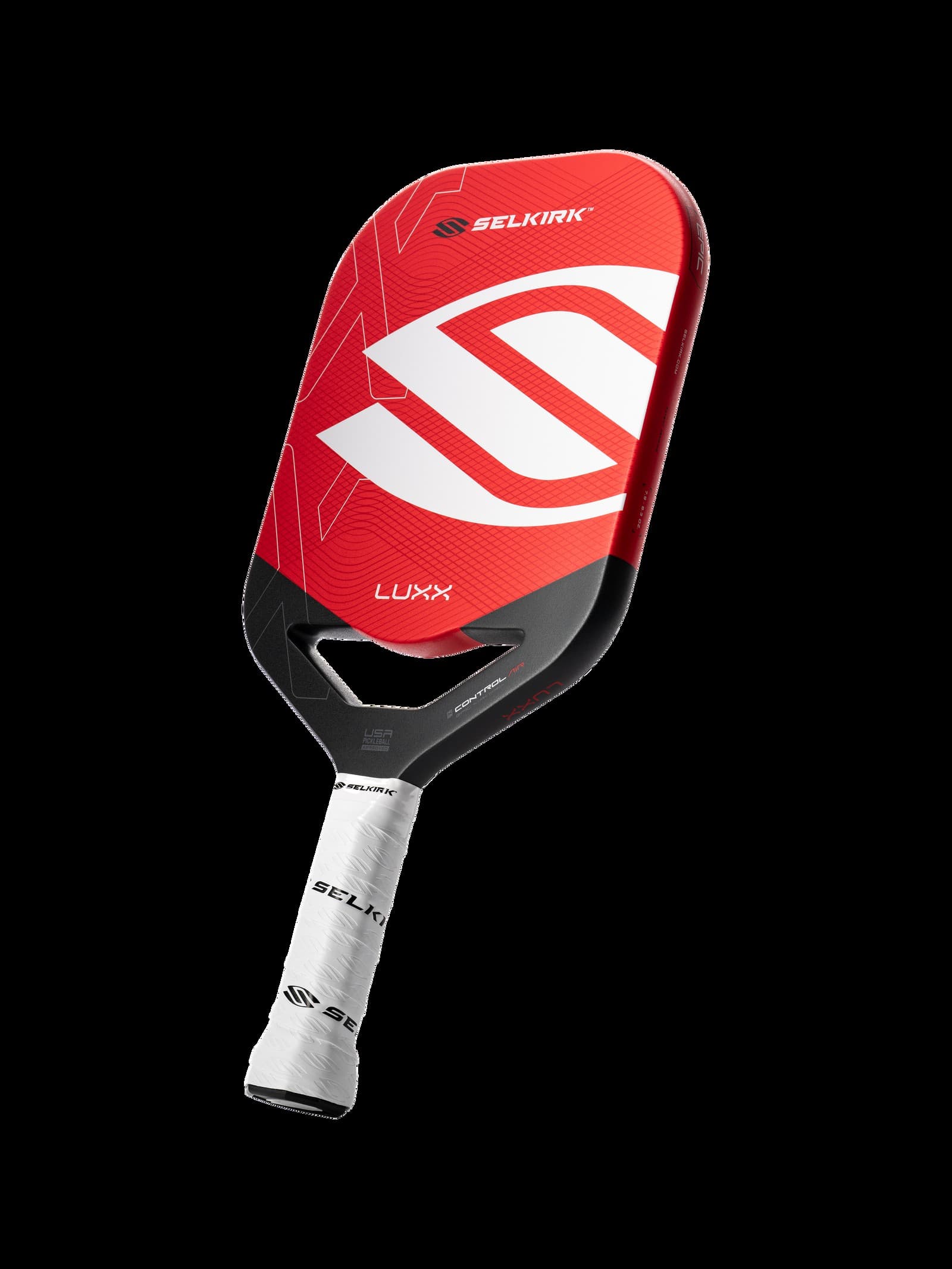
Selkirk
LUXX Control Air Epic
A thicker-core Selkirk control paddle for intermediate players who want soft, precise playability more than raw pace.
- Players prioritizing soft hands and reset consistency
- Intermediate players who win points with placement over pace
- Anyone comparing thicker control builds to standard 16mm paddles
Approx. $200–$280
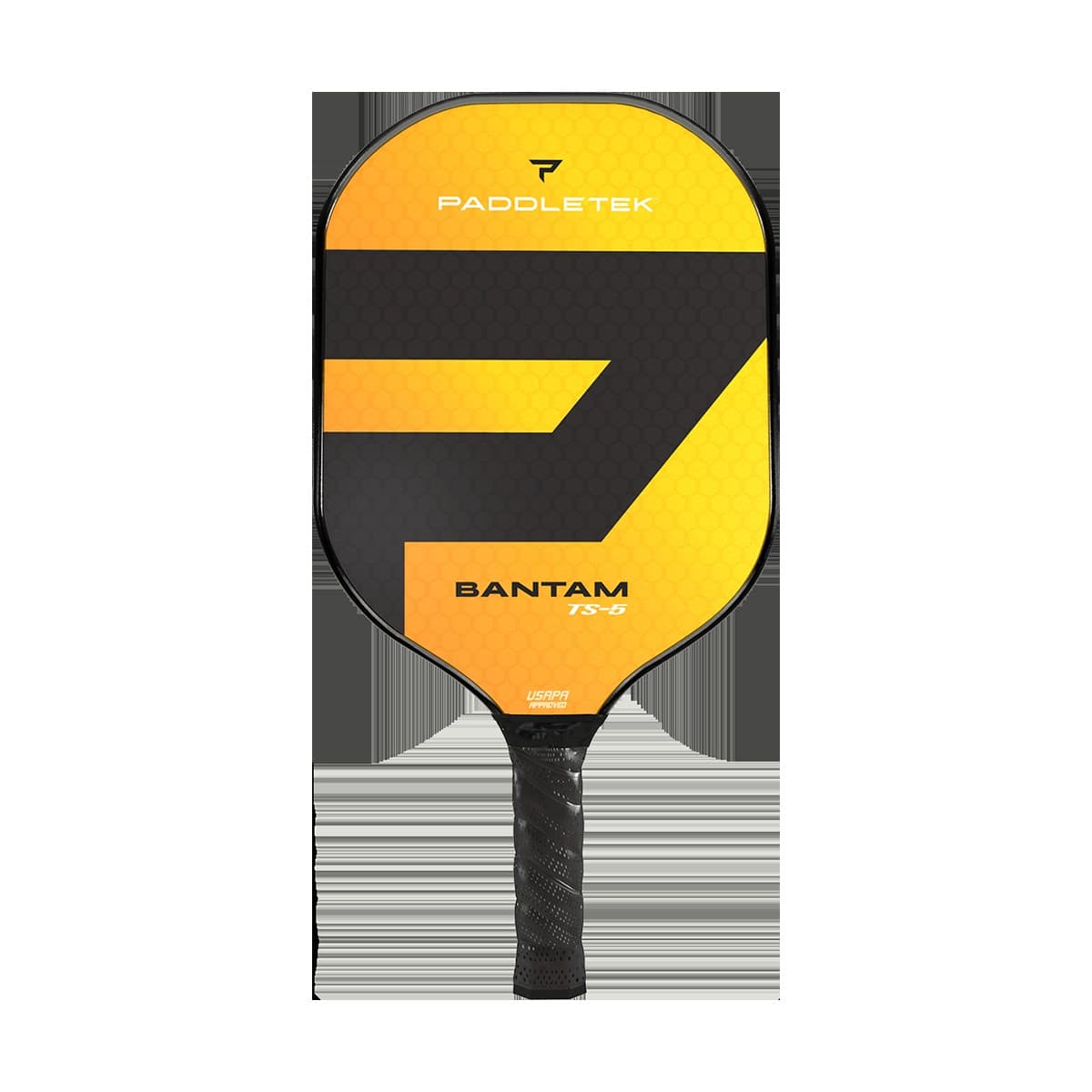
Paddletek
Bantam TS-5
A lightweight fiberglass-hybrid paddle from Paddletek—best framed as a hand-speed / value pick, not a thick-core carbon control paddle.
- Players who want a truly lightweight paddle
- Recreational players seeking faster hands at the kitchen
- Shoppers who want a reputable sub-$100 all-court option
Approx. $80–$100
Troxgo Editors
Research & editorial
We research manufacturer specs, compare paddles against consistent criteria, and explain who each product actually makes sense for—without fabricated “we tested it” claims.
Published 2026-03-20 · Updated 2026-03-20
Related reading
How to Choose a Pickleball Paddle
A practical framework for choosing a pickleball paddle by skill level, budget, thickness, weight, shape, grip size, and surface—plus common buying mistakes.
Best Pickleball Paddles
Our research-based shortlist of pickleball paddles for recreational players, organized by need and budget.